
The materials we use are the consumer’s most tangible experience with our products. Innovation is at the forefront of our sourcing and materials development practices because material extraction, processing and production activities comprise a substantial part of our environmental footprint, resulting in 63% of our global carbon emissions.
Sustainable Materials Vision
Focusing on materials represents a significant opportunity to lessen our environmental impact and is a critical lever to meeting our Scope 3 science-based target.
Many materials needed to achieve our targets are not yet available, and there is no one-size-fits-all answer. But the field is evolving rapidly, and we want to be part of the solution. We believe partnerships are a critical component to the solution. Increasing the volume and scale of sustainable raw materials through collaboration with industry experts and supply chain partners is a fundamental component of our environmental sustainability strategy.
To guide our efforts, we have developed the VF Sustainable Materials Vision (SMV), which sets forth our aspiration that our top materials shall originate from regenerative, responsibly sourced renewable and/or recycled sources. In pursuit of the SMV, we utilize industry measurement tools, such as the Sustainable Apparel Coalition’s Higg MSI and Life Cycle Assessment (LCA) methodologies, to help inform our materials choices. VF also utilizes third-party certifications whenever possible to trace and certify materials throughout our supply chain, and to support compliance with key VF policies, including our Animal Derived Materials and Cotton Fiber Sourcing Policies.

Regenerative
Regenerative is a term that encompasses a variety of environmentally and socially conscious practices which aim to help support biodiversity, enhance water cycles, improve soil health and sequester carbon. As defined by PUR Projet, these practices are intended to create net beneficial impacts for ecosystem services, farmers and local communities.

Responsibly Sourced Renewable
Responsibly sourced renewable materials are derived from inputs that naturally replenish in a human’s lifetime and are derived using feedstocks and processing methods that follow proven sustainable practices with the intention of reducing potential impacts on people and planet.

Recycled
Recycled materials have been reprocessed from reclaimed waste material by means of a manufacturing process and made into a final material or component.
Regenerative
The principles commonly used in regenerative agriculture have been in use by indigenous groups and cultures for centuries. One example of a regenerative practice is rotational grazing, where a grazing livestock herd is rotated among small paddocks for short durations, which stimulates grass growth, naturally fertilizes microbes and allows rainwater to sink into the earth to bolster drought resilience and reduce runoff.
VF and our brands support the development of regenerative agriculture practices for key materials used in our products. There’s still much to learn about the benefits of regenerative agriculture and how best to quantify these outcomes. Each material is unique, and practices vary by crop, animal and region. To better understand the science, scale supply and source regenerative materials, VF brands have launched pilots across the globe focusing on implementing regenerative practices for leather, cotton, rubber, wool and sugarcane.
In 2022, VF engaged external regenerative agriculture experts and partners to develop a set of Regenerative Partner Guidelines. These guidelines help corporate and brand teams — and their regenerative agriculture program partners — apply consistent standards when assessing existing and potential sourcing projects through the lens of regenerative practices and outcome indicators.
To help move the industry forward on responsible measurement of outcomes from regenerative practices, we also engaged with peers at Textile Exchange to share our toolkit and contribute to the new Regenerative Agriculture Outcome Framework.
RESPONSIBLY SOURCED RENEWABLE
VF takes a holistic approach to sourcing materials to minimize potential negative environmental and social impacts. Our robust efforts to certify and trace materials help us understand the origins of our materials and how they were produced.
Across VF, we use tools such as the Higg Materials Sustainability Index (MSI) and Life Cycle Analysis (LCA) methodologies to identify the greatest opportunities to reduce the environmental impact of our key materials. Through industry partnerships, responsible sourcing standards and investment in supply chain traceability, we are rethinking how we source our materials.
We define responsibly sourced renewable materials as being derived from inputs that naturally replenish in a human’s lifetime and are derived using feedstocks and processing methods that follow proven ethical and sustainable practices that minimize harm.
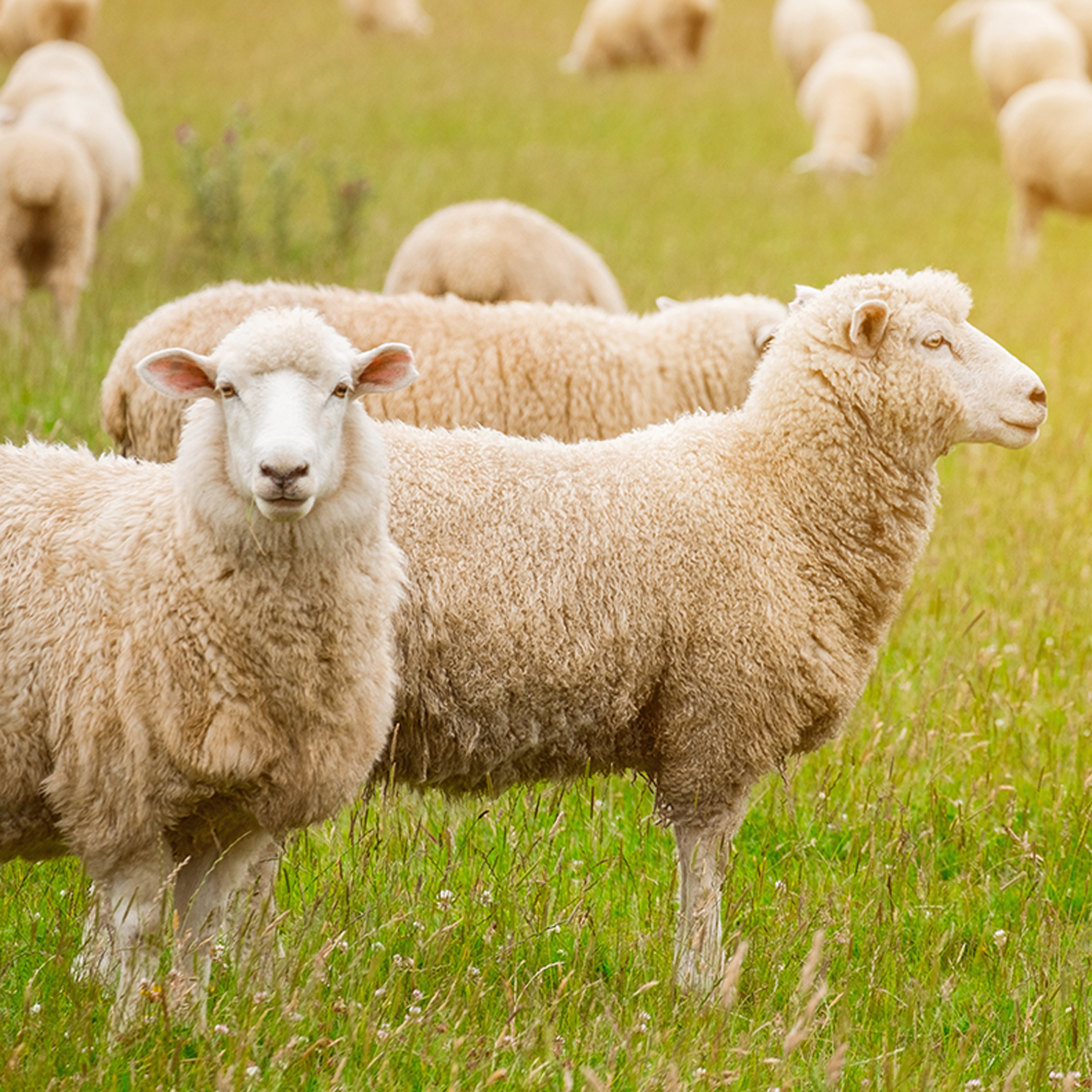
Responsible Wool
Merino wool is a natural and renewable fiber with properties that make it great for natural performance apparel. Across VF, we’re committed to sourcing wool in the most responsible way possible. With two merino-based brands, Smartwool® and icebreaker®, wool is an important material for VF.
In FY26, 86% of identified wool in VF’s supply chain was certified to the ZQ Standard. In 2021, the Smartwool and icebreaker brands partnered with the New Zealand Merino Company and peers to launch a collaborative action platform focused on regenerative agriculture. Learn more about the ZQRX platform here.
RECYCLED
VF defines recycled materials as those that have been reprocessed from verified, reclaimed waste material by means of a manufacturing process and made into a final material or component.
VF committed to sourcing 50% of the polyester used for our products from recycled materials by FY26, and we achieved this goal in FY24. We are exploring new recycled material sources and investing in recycling technologies to progress toward an aspirational future where materials and products exist in a closed-loop system. By increasing our sourcing of recycled materials, we hope to reduce our climate, energy and water impacts. We are also exploring new and innovative bio-based sources of polyester and nylon that meet and/or exceed consumer expectations.